
Are you considering starting your wellness journey but don’t know where to begin? A yoga class for beginners might be exactly what you need. This accessible practice welcomes everyone, regardless of age, fitness level, or flexibility. If you’ve been curious about yoga but felt intimidated by images of advanced poses, beginner-friendly classes provide the perfect entry point into this transformative practice.
Yoga isn’t about perfection or achieving complex postures on your first day. Beginner yoga focuses on fundamental movements, proper breathing, and building confidence in a supportive environment. Whether you’re looking to reduce stress, improve flexibility, or simply try something new, starting with structured beginner classes sets you up for long-term success.
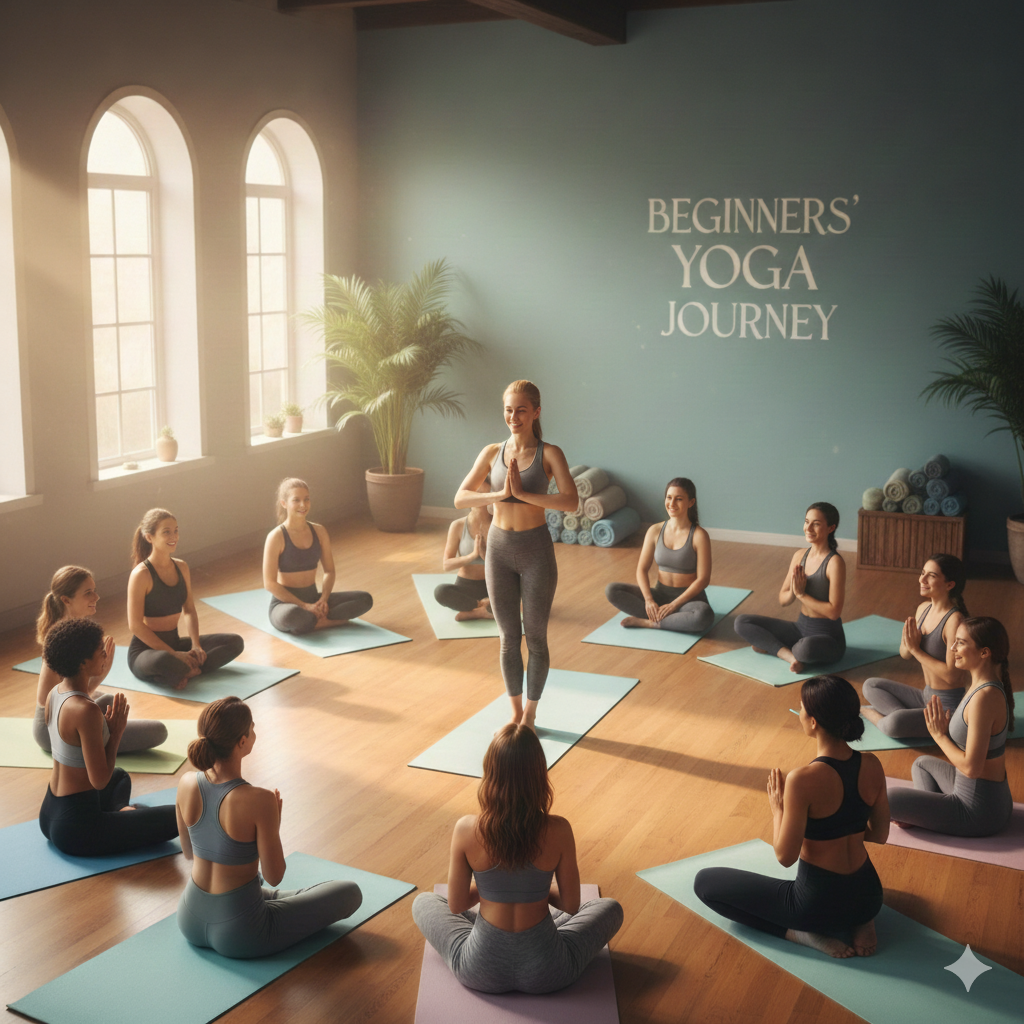
Understanding the Basics: What to Expect in Your First Class
Walking into your first session can feel overwhelming, but knowing what to expect helps ease those nerves. Most Yoga class for beginner sessions last between 45 to 75 minutes and follow a gentle, structured format designed to introduce you to basic yoga techniques without pushing you beyond your limits.
Your initial class will typically begin with a centering period where you’ll sit or lie down, focus on your breath, and set an intention for your practice. This transition helps you leave daily stress behind and arrive fully present on your mat. Your instructor will guide you through beginner yoga poses, starting with simple stretches and gradually building to standing poses and gentle balances.
What happens in a yoga class includes a warm-up sequence to prepare your body, a series of foundational poses that build strength and flexibility, and a cool-down period ending with savasana (final relaxation). Throughout the session, the instructor will demonstrate poses, offer modifications, and provide cues for proper alignment.
Yoga class for Beginners tips to remember: arrive about 10 minutes early, inform your instructor that you’re new, and release any expectations about keeping up with others. Yoga for absolute beginners focuses on learning fundamental movements like downward-facing dog, child’s pose, warrior poses, and basic seated stretches. You’ll also learn pranayama (breathing techniques) that form the foundation of all yoga practice.
The atmosphere is typically supportive and non-competitive. Every person in that room was once new to yoga, and most practitioners remain focused on their own practice rather than observing others.
The Benefits of Starting with Beginner-Friendly Yoga
Choosing structured Yoga Class for beginner sessions offers numerous advantages that extend far beyond physical fitness. The health benefits of yoga impact both body and mind in ways that few other exercises can match. Starting with a properly structured approach ensures you learn correct form while experiencing these rewards from day one.
Physical benefits include increased flexibility, improved muscle tone and strength, better posture, enhanced balance, and greater body awareness. Unlike high-impact exercises, beginner-friendly exercise respects your body’s natural range of motion, reducing injury risk while building strength gradually. Many students notice improved sleep quality and sustained energy levels within just a few weeks of consistent practice.
Mental and emotional benefits are equally significant when you join a yoga class for beginners. Stress reduction ranks among the top reasons people seek out yoga, and the combination of mindful movement, breath work, and meditation delivers powerful results. Research shows that regular participation can lower cortisol levels, reduce symptoms of anxiety and depression, and improve overall mood.
Improved mindfulness develops naturally when you practice regularly. The training helps you stay present with your breath and body sensations—a skill that extends into daily life. Students often report responding more calmly to stressful situations, making more conscious choices, and feeling more connected to themselves and others.
The beauty of starting as a beginner is that you don’t need prior flexibility or fitness to experience these benefits. People who feel they’re “not flexible enough” for yoga often benefit most, as flexibility is a result of practice, not a prerequisite.
Choosing the Right Yoga Style and Instructor
With numerous yoga styles available, selecting the right approach makes a significant difference in your experience. Some styles move quickly, others slowly; some focus on alignment, others on flow. Understanding these differences helps you choose the best option for your needs.
Hatha yoga is often recommended because it moves at a slower pace and focuses on holding basic poses. In Western studios, hatha typically indicates a gentle, foundational class—ideal for your first experience. This style gives you time to learn proper alignment and understand how each pose should feel.
Vinyasa classes link breath with movement in flowing sequences. While some vinyasa classes move quickly, many studios offer beginner vinyasa that introduces flow at a manageable pace. The hatha vs vinyasa beginner class debate often comes down to personal preference: choose hatha if you want more time in each pose, or vinyasa if you prefer continuous movement.
Gentle yoga for beginners and restorative yoga use props and longer holds to promote deep relaxation. These classes are excellent if you’re recovering from injury, managing chronic pain, or simply want a softer approach to movement.
Yin yoga targets deep connective tissues through long-held stretches. While peaceful, this style can be intense for newcomers in unexpected ways, as holding poses for three to five minutes requires mental patience.
Finding a certified instructor matters immensely. Look for teachers with credentials from recognized organizations like Yoga Alliance (RYT-200 or higher). A qualified instructor will offer modifications, understand anatomy, and create a safe environment for all levels.
The best beginner yoga styles are those that resonate with you personally. Many studios offer free or discounted first sessions, so try several styles and instructors before committing. Pay attention to how you feel during and after class—the right fit will leave you energized and challenged but not defeated.
What You Need to Get Started: Essential Gear and Preparation
One advantage of starting yoga is the minimal equipment required. Unlike many fitness pursuits, you can begin with very little gear. However, having the right basics enhances comfort and safety.
Yoga mat recommendations: A quality mat provides cushioning and prevents slipping during practice. For those just starting, a mat with good grip and adequate thickness (around 5-6mm) works well. Many affordable mats ($20-40) offer excellent quality. Most studios provide mats for rent if you want to try classes before investing in your own. Look for mats labeled as “non-slip” or “sticky” and avoid overly thin travel mats.
Comfortable workout clothing should allow free movement without restriction. Choose fitted tops that won’t fall over your head in downward dog, and bottoms with enough stretch for wide-legged poses. Natural, breathable fabrics work best. You’ll practice barefoot—shoes prevent proper engagement of feet and ankles.
Hydration tips for beginners: Drink plenty of water throughout the day before practice, but avoid drinking large amounts right beforehand. Having a full stomach or bladder makes certain poses uncomfortable. Drink water at least 30 minutes before class and bring a water bottle to sip during breaks.
What to bring to your first class includes your mat (if you have one), water bottle, and possibly a small towel. Arrive with an empty stomach or having eaten only a light snack 1-2 hours before. Remove jewelry that might catch or press uncomfortably during floor poses. Bring an open mind and leave perfectionist expectations at the door.
Most studios provide props like blocks, straps, and bolsters. Blocks are especially useful, helping you reach the floor in certain poses while maintaining proper alignment.
Common Challenges and How to Overcome Them
Nearly everyone experiences some apprehension before their first yoga class for beginners. Understanding common challenges and having strategies to address them transforms anxiety into excitement.
Yoga class anxiety tips: Reframe your mindset by remembering that every expert was once new. Combat nervousness by arriving early to introduce yourself to the teacher and mention it’s your first time. This simple step invites support and ensures your instructor will offer extra guidance.
Overcoming self-doubt in fitness classes often stems from comparison with others. The truth is that yoga is an individual practice even in group settings. Your tight hamstrings or wobbly balance are completely normal—flexibility and stability develop with consistent attendance. Try focusing on internal sensations rather than external appearances.
Modifications for beginners are not signs of weakness but demonstrations of wisdom. Experienced yogis regularly modify poses based on how their bodies feel. Your instructor will offer variations like using blocks, bending your knees in forward folds, or taking child’s pose whenever you need rest. These options help you practice sustainably and prevent injury.
Building confidence in group classes happens gradually with consistent attendance. Give yourself permission to be a beginner. Initial awkwardness fades quickly as you become familiar with common poses and sequences. Many people find that the supportive atmosphere differs refreshingly from competitive gym environments.
If you’re worried about physical limitations, communicate with your instructor beforehand. Whether you have an injury, chronic condition, or other concerns, sharing this information allows your teacher to provide appropriate modifications.
Remember that falling out of a balance pose or needing a break is completely normal. These moments are part of the practice, not failures.
The Journey Ahead: Continuing Your Practice
Completing your first session is an accomplishment worth celebrating, but it’s just the beginning. Building a sustainable practice requires patience, consistency, and realistic expectations.
Developing a regular practice schedule doesn’t mean daily hour-long sessions. For newcomers, attending 2-3 classes per week provides enough frequency to build skills and strength without overwhelming your body or schedule. Consistency matters more than duration—regular 30-minute practice yields better results than sporadic intense sessions.
At-home practice guidance for beginners can complement studio classes and deepen your understanding. Start with short sessions (10-20 minutes) using online videos designed for newcomers, or practice sequences you’ve learned in class. YouTube offers countless free beginner yoga videos, though quality varies. Look for content from certified instructors who emphasize proper alignment.
Creating a simple home practice space doesn’t require a dedicated room—just a clear area large enough for your mat.
Setting realistic goals with yoga progression helps maintain motivation without creating pressure. Rather than aiming for advanced poses, focus on process goals like attending class twice weekly, holding plank pose five seconds longer, or remembering to breathe through challenging moments. Notice subtle improvements: easier breathing, better sleep, reduced stress, or increased body awareness.
Progress isn’t linear. Some days you’ll feel strong and flexible; other days, poses that were easy yesterday feel challenging. This variation is normal and teaches acceptance—another valuable lesson from yoga.
Many students find that keeping a simple journal enhances their practice. Note how you felt before and after sessions, which poses challenged you, or insights that emerged during savasana. This record becomes encouraging evidence of your progress over time.
As you continue practicing, you might explore different styles, workshops, or eventually teacher training. The yoga community offers rich opportunities for growth, learning, and connection.
Conclusion: Take the Leap and Transform Your Wellbeing Today!
Starting your wellness journey with a yoga class for beginners is one of the most nurturing gifts you can give yourself. Yoga class for Beginners sessions provide structure, guidance, and community as you embark on this path toward greater physical health, mental clarity, and emotional balance. You don’t need to be flexible, fit, or young to start—you just need to show up.
The challenges that might feel significant before your first session quickly diminish as you experience the welcoming atmosphere. Every class offers modifications, every instructor remembers being new, and every fellow student focuses on their own practice. Your only job is to breathe, move mindfully, and treat yourself with compassion.
The benefits you’ll experience—reduced stress, increased strength, improved flexibility, and enhanced mindfulness—begin accumulating from your very first session. Whether you’re seeking relief from physical tension, a mental health tool, a new fitness routine, or simply curious about trying something different, yoga offers something valuable for everyone.
Don’t wait until you feel “ready” or until you’ve achieved some arbitrary level of fitness or flexibility. That perfect moment doesn’t exist. The best time to start is now, exactly as you are. Research local studios, check class schedules, and sign up for that first session. Your future self will thank you for taking this step toward holistic wellbeing.
The mat is ready. Your practice is waiting. Your transformation begins the moment you decide to try. Join a yoga class for beginners today and discover what countless others have learned: yoga meets you where you are and supports you in becoming who you want to be. Take that powerful first step toward a healthier, more balanced life.
Follow us on Instagram for updates: Instagram